
Kachina Genshin is a compelling term that encapsulates a fascinating intersection between indigenous cultural symbols and the rich, fantastical world of Genshin Impact. This article delves deep into how the spiritual and artistic elements of Kachinas—traditional Native American figures—appear within Genshin Impact’s expansive universe. We will examine the cultural roots, visual inspirations, philosophical implications, and potential future developments linking the Kachina archetype to the beloved game’s lore, characters, and design philosophies.
Kachina Inspiration in Genshin Impact: A Cultural Analysis
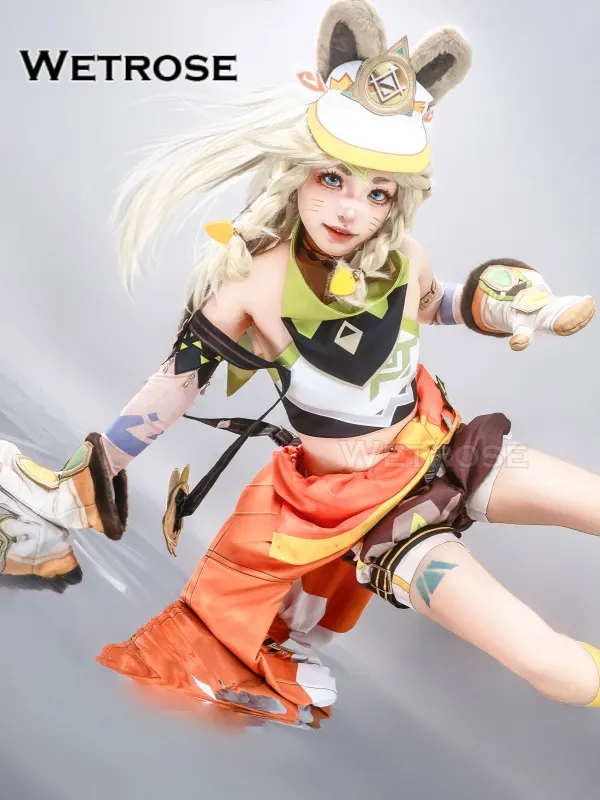
The imagery and symbolism of Kachinas are rooted in the spiritual traditions of Southwestern Native American tribes, particularly the Hopi and Zuni peoples. These figures serve as messengers, protectors, and intermediaries between humans and the divine. In Genshin Impact, certain characters, motifs, and environments subtly evoke these cultural elements, prompting us to consider how modern fantasy can be informed—and sometimes appropriated—by indigenous symbols. A cultural analysis reveals the importance of understanding context, intent, and respectful engagement when drawing inspiration from such profound traditions.
Genshin Impact’s creators seem to have woven visual cues that resemble Kachina motifs, such as masks, elaborate costumes, and symbolic accessories, into character designs and environments. These elements are not mere aesthetic choices but can be interpreted as a nod to the spiritual significance of Kachinas, reflecting themes of nature, seasons, and divine intervention. However, these influences also raise questions about cultural appropriation versus appreciation, emphasizing the need for respectful homage rather than superficial use of sacred symbols. Recognizing these parallels enhances our appreciation for the nuanced artistry behind Genshin’s design ethos and encourages a dialogue about cultural sensitivity in media.
Genshin Impact’s Character Design: Echoes of Kachina Imagery

Character design in Genshin Impact often straddles the line between fantasy and cultural symbolism, resulting in vivid, memorable visuals that convey depth and personality. When analyzing certain characters, such as the Anemo or Electro Archons, one can detect visual echoes of Kachina imagery—especially in the use of masks, headdresses, and intricate markings. These design choices are not accidental; they serve to enhance the mystical aura of characters whose powers are intertwined with elemental forces, much like the spiritual intermediaries represented by Kachinas in native traditions.
Moreover, the stylistic nuances in outfit details, color schemes, and prop choices evoke the ceremonial aspects of Kachinas. For example, colorful, feathered adornments and geometric motifs can be reminiscent of dance costumes or ritual masks. Such artistic decisions deepen the lore, suggesting that Genshin’s characters are not just heroes but also embodiments of elemental spirits and divine messengers. This artistic parallel enriches storytelling, reminding players of the sacred significance behind the visuals and inviting them to consider how identity, spirituality, and nature are interwoven in both indigenous cultures and the fantasy realm of Teyvat.
Kachina Dolls and Genshin Impact: Exploring Shared Symbolism

Kachina dolls are handcrafted figures traditionally used to teach children about spiritual beings and to facilitate community rituals. Their symbolic nature—embodying spirits, seasons, and natural phenomena—parallels the storytelling devices used in Genshin Impact’s character and worldbuilding. Both mediums utilize figurative representation to encode complex cultural, spiritual, and philosophical meanings into accessible forms.
In Genshin Impact, the recurring use of totemic symbols, statues, and mascots in the game’s architecture and lore acts as a visual homage to the role of Kachina dolls. These representations serve as a bridge between the game’s fantastical environment and cultural storytelling practices, embodying various elemental and divine aspects. Recognizing this shared symbolism underscores the importance of understanding how these forms honor cultural traditions and how they influence game design—offering players a layered experience where narrative, symbolism, and aesthetics are deeply interconnected.
Beyond Aesthetics: How Kachina Philosophy Could Inform Genshin Lore
While the visual similaritiesbetween Kachinas and Genshin characters are striking, exploring the philosophical underpinnings reveals even richer connections. Kachina philosophies emphasize harmony between humans and nature, spiritual stewardship, and the cyclical nature of life—concepts that resonate deeply within Genshin Impact’s lore. Incorporating these ideas could deepen or extend the game’s thematic layers, providing a more holistic understanding of the world’s mythology and characters.
Genshin Impact’s central themes of elemental balance, personal growth, and divine intervention mirror Kachina teachings on interconnectedness and respect for natural forces. Imagining the game’s lore could involve emphasizing the spiritual roles of the archons as Kachina-like figures who uphold cosmic order, inspiring players to reflect on their role within the natural world and the universe’s spiritual fabric. Such integration could foster more culturally authentic storytelling and encourage a respectful dialogue about indigenous philosophy within the game’s expansive narrative universe.
The Influence of Southwestern Native American Culture on Genshin Art
The visual motifs and ideas embedded in Genshin Impact seem to subtly draw on the art and symbolism of Southwestern Native American culture, notably in their use of geometric patterns, earth tones, and ceremonial attire. These design inspirations evoke a sense of warmth, spirituality, and reverence for nature—elements that align with indigenous perspectives on the environment and spiritual guardianship.
However, the influence appears to be more aesthetic than substantive, raising questions about to what extent these symbols are used respectfully. Properly acknowledging and incorporating indigenous culture requires more than visual similarity; it demands an understanding of cultural contexts, stories, and sacred meanings. When done thoughtfully, these influences have the potential to broaden the game’s cultural appreciation, fostering a deeper respect for indigenous traditions while enriching the visual tapestry of Teyvat.
Kachinas in Genshin: Appropriation or Appreciation?
The line between appreciation and cultural appropriation is often blurred when it comes to drawing on indigenous symbols for entertainment media like Genshin Impact. Some fans and critics argue that the game’s visual influences serve as a form of homage, introducing global audiences to rich cultural artifacts and stories. Others contend that the use of sacred motifs can trivialize or misrepresent indigenous beliefs, especially if not accompanied by proper acknowledgment or respect.
This debate highlights the importance of sensitivity and awareness in cultural representation. Developers have an ethical responsibility to ensure their inspiration does not turn into superficial stereotypes or commodification of sacred symbols. Ultimately, whether Kachinas in Genshin are a form of genuine appreciation or cultural exploitation depends on how the game’s creators handle the symbolism and whether they honor the origins behind those images. Engaging with indigenous communities and incorporating authentic perspectives can turn potential missteps into meaningful cross-cultural dialogues.
Genshin’s Elemental System: Parallels with Kachina Spirits and Forces
Genshin Impact’s elemental system—Pyro, Hydro, Anemo, Electro, Dendro, and Cryo—parallels the spiritual forces embodied by Kachina spirits in indigenous traditions. Each Kachina often represents a specific natural element, season, or ecological role, serving as a guardian and communicator of natural laws. This thematic overlap invites us to consider how elemental forces in the game aren’t merely gameplay mechanics but symbols of nature’s sacred and dynamic power.
By framing element manipulation as a reflection of spiritual mediation, Genshin imbues its powers with a sense of reverence akin to that found in indigenous spiritual practices. Characters wield these forces much like Kachinas embody and influence aspects of the natural world, emphasizing a worldview where humans, spirits, and elements are interconnected entities in a delicate balance. This perspective can deepen player appreciation for the game’s core themes of harmony, respect, and the sacredness of natural phenomena.
Analyzing Specific Genshin Characters Through the Lens of Kachina Archetypes
Certain Genshin Impact characters exemplify archetypes or symbolism analogous to Kachina figures—intermediaries, protectors, or embodiments of natural elements. For instance, Ningguang’s role as a protector of Liyue’s prosperity and her ceremonial attire evoke the regal, ceremonial qualities of Kachina figures. Similarly, characters like Venti and Kazuha, with their elemental and musical themes, resemble Kachina spirits engaged in dance, song, and seasonal change.
Looking through this lens allows us to interpret characters not just as fantasy beings but as representations of spiritual functions rooted in indigenous archetypes. Their stories and designs echo themes of guidance, balance, and the sacred role of nature spirits. Such analysis enhances understanding of Genshin’s layered storytelling and strengthens the cultural resonance embedded in its character roster, promoting a more nuanced appreciation of the game’s artistry and spiritual symbolism.
Potential for Future Kachina-Inspired Content in Genshin Impact
As Genshin Impact continues to expand its world and character roster, there is vast potential for future content inspired by Kachina symbolism and indigenous storytelling. Developers could incorporate authentic cultural elements, such as traditional festival motifs, sacred dances, or mythic narratives, into new regions, characters, and quests, fostering cultural exchange and education.
Implementing these themes thoughtfully can create opportunities for meaningful storytelling that respects and celebrates indigenous traditions. Future Kachina-inspired content could serve as a bridge for awareness and appreciation, provided it’s developed in collaboration with indigenous communities and cultural experts. Such efforts would not only enrich the game’s diversity but also contribute to a broader cultural dialogue, elevating Genshin Impact into a platform for respectful intercultural storytelling.
Bridging Worlds: Examining the Connection Between Kachina Beliefs and Genshin’s Worldbuilding
Genshin Impact’s expansive universe is a tapestry woven with mythic themes, spiritual symbols, and elemental forces—many of which resonate with the core beliefs embodied by Kachina spirits. These connections hint at a shared worldview that emphasizes harmony with nature, spiritual guidance, and the importance of rituals and myth in understanding our place in the cosmos. By examining Genshin’s worldbuilding through the lens of Kachina beliefs, we can uncover new layers of meaning and appreciation for its mythic fabric.
This bridging of worlds invites players to see Teyvat as more than just a fantasy landscape, but as a universe rooted in universal spiritual principles. Such an approach promotes cross-cultural understanding and demonstrates how indigenous symbols and philosophies can inspire global storytelling that honors diversity. Ultimately, exploring these connections enriches the immersive experience and encourages reflection on humanity’s shared spiritual heritage across different cultures and mythologies.
## Conclusion
In exploring the cultural and aesthetic influence of Kachinas within Genshin Impact, we uncover a complex tapestry of symbolism, artistry, and spirituality that enriches the game’s universe. From visual motifs and character designs to elemental philosophies and cultural dialogue, the parallels invite both admiration and reflection on respectful cultural representation. Recognizing the shared themes of harmony, nature, and spiritual guardianship reveals how indigenous traditions can inspire and deepen the storytelling of modern fantasy worlds when approached with sensitivity and authenticity. As Genshin Impact continues to evolve, it holds the potential to further incorporate genuine indigenous perspectives, fostering a space where art, culture, and mythology intersect to create a richer, more meaningful player experience.